
1. Start with the best reference you have
A photo is useful for shape matching, but a physical sample gives a stronger basis for dimensions, weight and color comparison.
2. Decide whether an existing mold is acceptable
An existing mold can reduce cost and time. A distinctive target shape may require new tooling.
3. Compare more than appearance
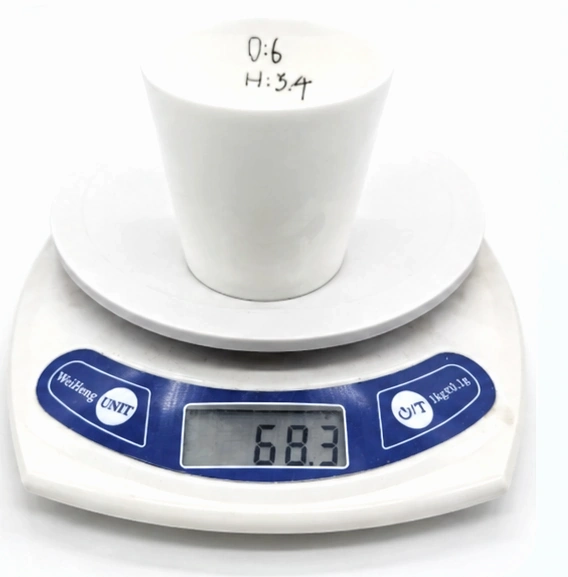
Two cups can look nearly identical and still differ in weight and dimensions, which can affect handling and price.
4. Treat color as a controlled variable
Ceramic color can vary slightly between a reference and production, and between batches. A close match is realistic; a guaranteed 100% visual identity is not.
5. Use sample approval as a real gate
If the first sample is not close enough, adjust it before customer approval. In one HI SKY project, the first sample was rejected for color and weight differences; the revised second sample was approved and moved into repeat supply.
6. Confirm inspection and packing
Checks can include style, color, logo, dimensions, weight, packing, carton marks and carton strength. Divider packing helps reduce ceramic breakage during transport.